Pharma Hammer Mill: The Ultimate Guide to Milling Efficiency in Pharmaceutical Production
Introduction
A pharma hammer mill is an essential piece of equipment in pharmaceutical manufacturing, used for size reduction, granulation, and controlled particle distribution of powders. Whether for tablet formulation, capsule filling, or drug compounding, hammer mills ensure uniformity, efficiency, and compliance with industry regulations.
I. What is a Pharma Hammer Mill?
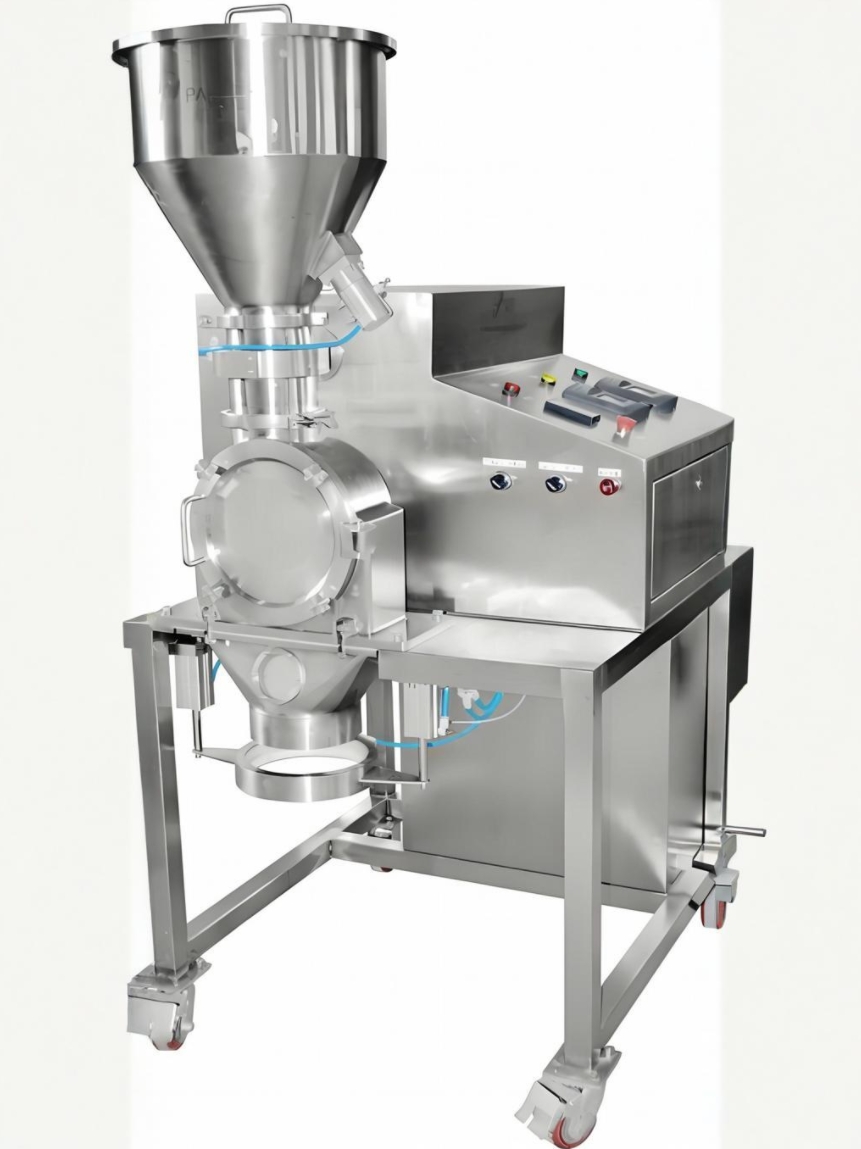
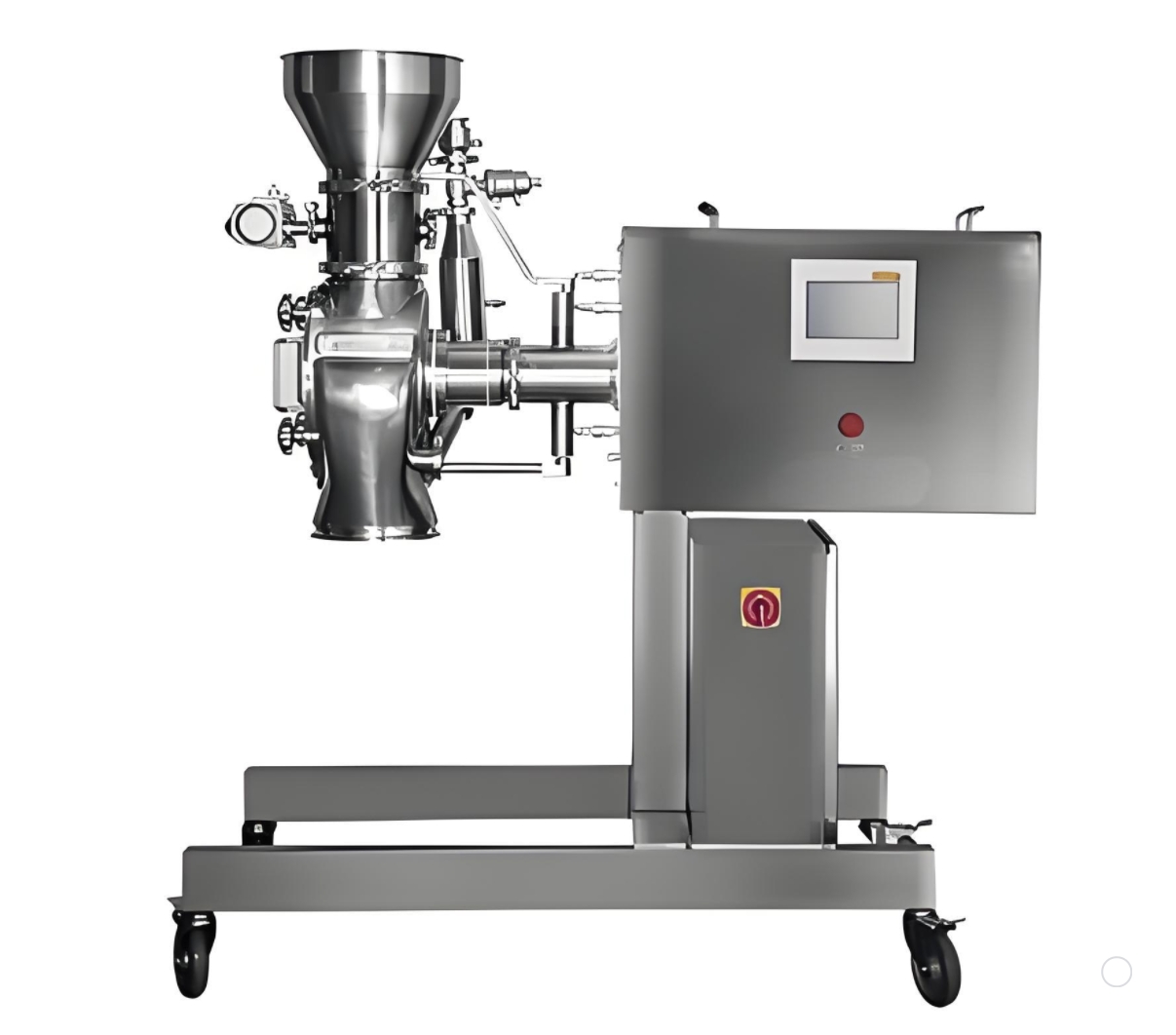
A pharma hammer mill is a high-precision milling device designed to break down solid pharmaceutical materials into fine particles. It operates by repeated impact between rotating hammers and the material within a grinding chamber.
Key Features:
• Particle Size Control – Produces uniform granules for better drug formulation.
• High-Speed Operation – Ensures fast and efficient material processing.
• Adjustable Mesh Screens – Allows customization of particle size.
• GMP & FDA Compliance – Designed for clean, hygienic, and safe pharmaceutical production.
II. How Does a Pharma Hammer Mill Work?
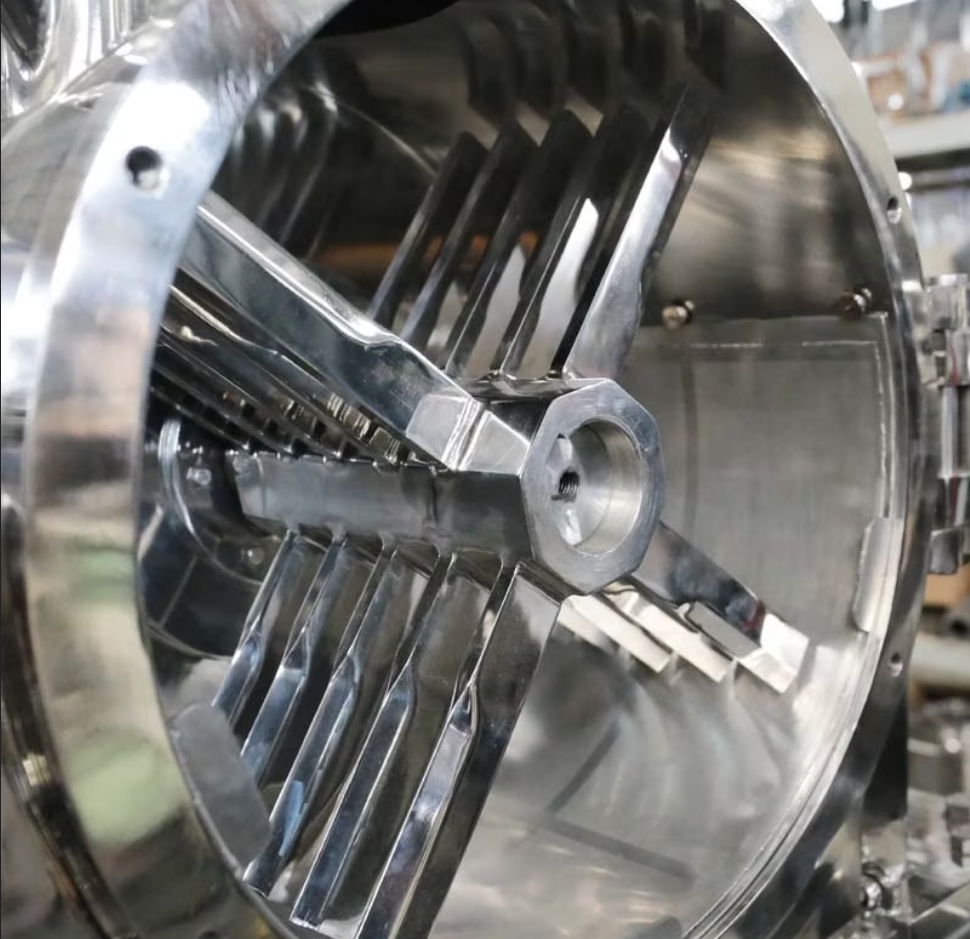
The hammer mill consists of:
• A Feed Hopper – Where materials enter the milling chamber.
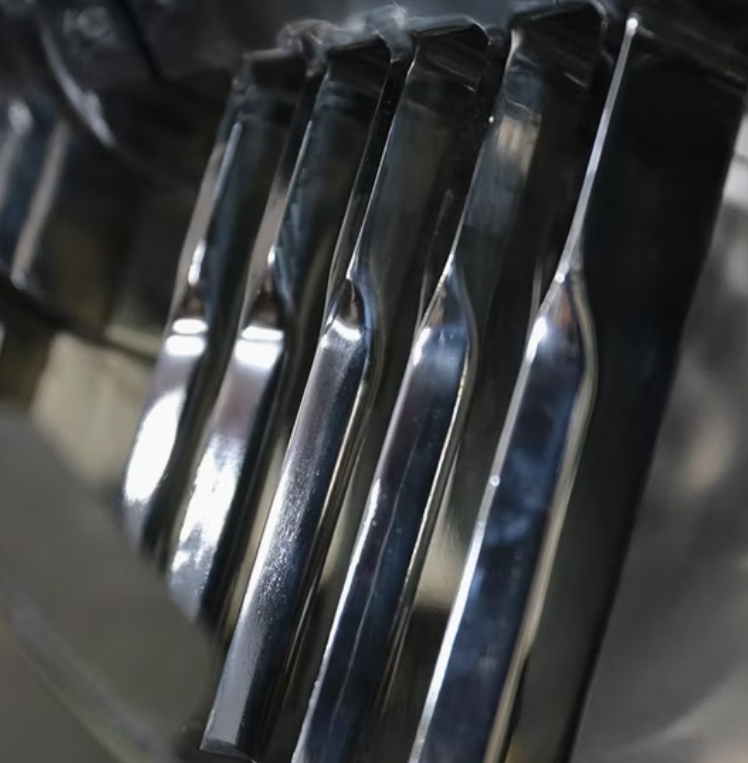
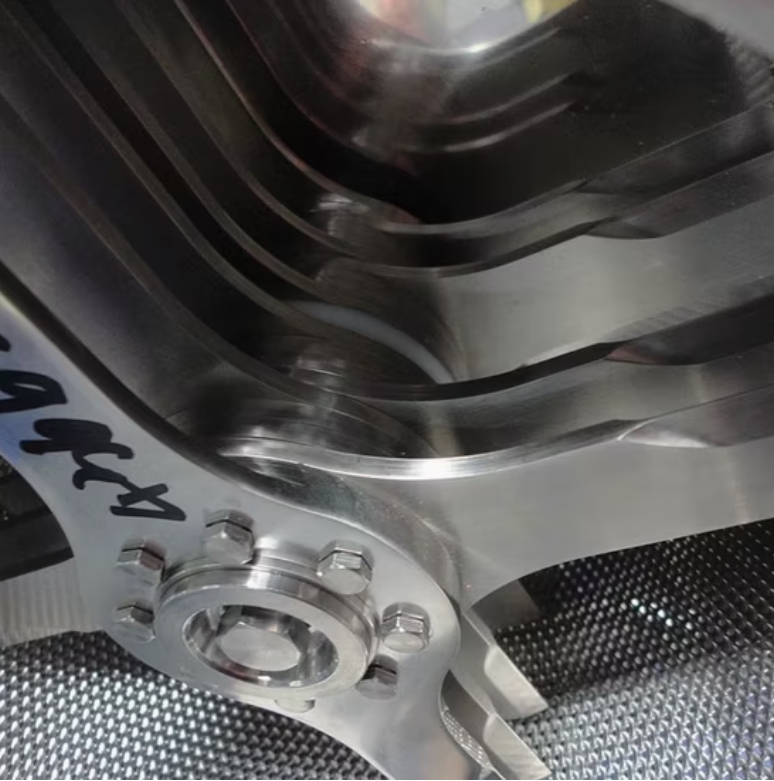
• Rotating Hammers – High-speed blades that impact and break down the material.
• A Perforated Screen – Controls the final particle size by filtering out oversized particles.
• A Collection System – Where the milled powder is gathered for further processing.
Step-by-Step Process:
Material is fed into the hopper.
Rotating hammers strike the particles, reducing their size.
Finer particles pass through the mesh screen, while larger ones are reprocessed.
The final product is collected and used in pharmaceutical formulations.
III. Why is a Hammer Mill Essential in Pharma Production?
A hammer mill plays a critical role in pharmaceutical manufacturing, ensuring precise particle size reduction, improved drug bioavailability, and enhanced tablet formulation.
Key Benefits of a Pharma Hammer Mill:
• Enhanced Drug Absorption – Smaller, uniform particles dissolve faster in the body.
• Improved Tablet & Capsule Formation – Ensures consistent powder density.
• Increased Efficiency – Fast and uniform milling minimizes waste.
• Hygienic & Contamination-Free – Meets Good Manufacturing Practices (GMP) standards.
• Versatile Application – Suitable for various drug formulations, from herbal powders to active pharmaceutical ingredients (APIs).
IV. Types of Pharma Hammer Mills
There are different types of hammer mills, each designed for specific pharmaceutical applications:
A. Gravity Discharge Hammer Mill
• Uses gravity for particle discharge.
• Ideal for coarse grinding of raw materials.
B. Pneumatic Discharge Hammer Mill
• Uses air pressure for fine particle extraction.
• Best for ultra-fine grinding and heat-sensitive materials.
C. High-Speed Hammer Mill
• Equipped with high-speed rotating hammers for rapid processing.
• Suitable for mass production in pharmaceutical industries.
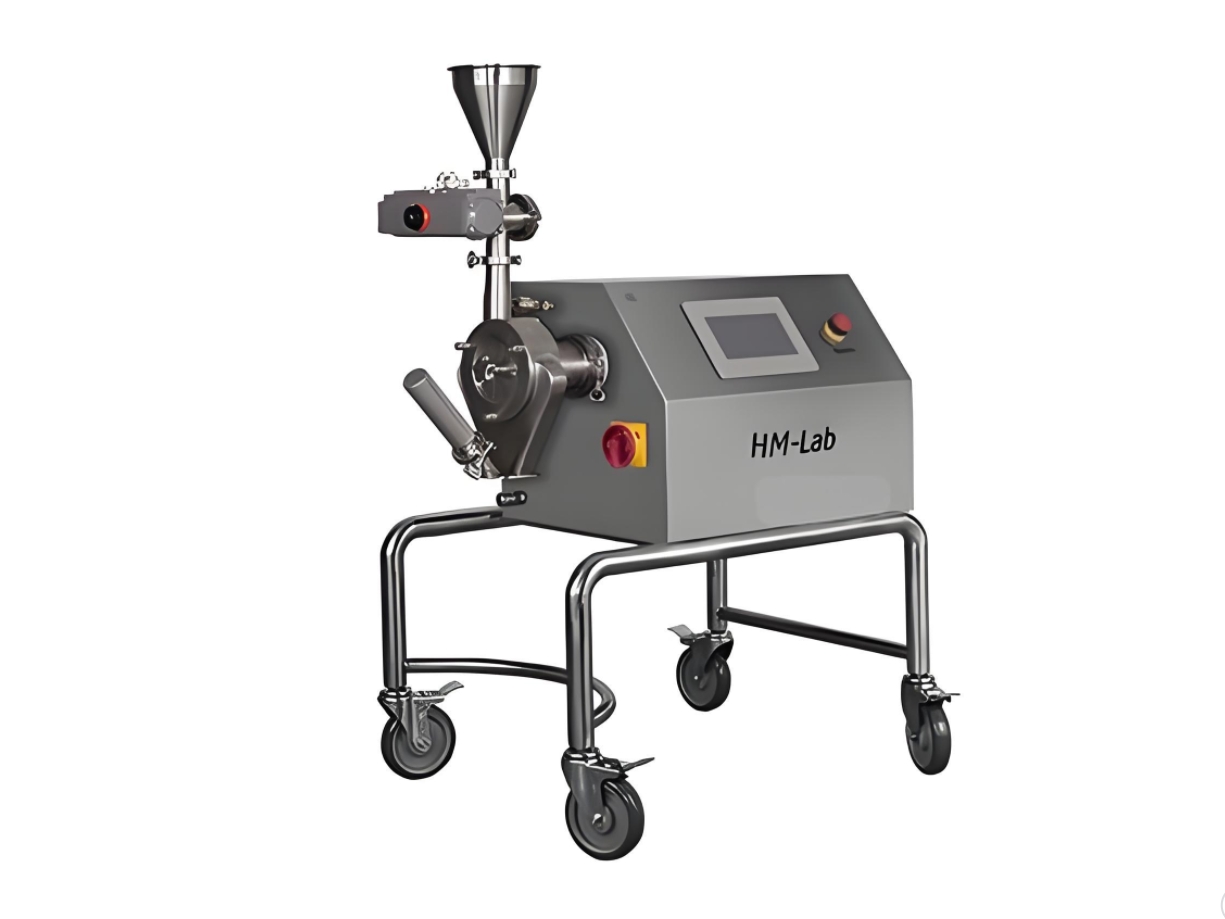
D. Lab-Scale Hammer Mill
• Compact and precise, designed for R&D and small-scale drug formulation.
• Helps in pilot testing before full-scale production.
V. Pharma Hammer Mill vs. Other Milling Equipment
How does a hammer mill compare to other pharmaceutical milling solutions?
Milling Equipment | Particle Size Control | Speed | Best For |
Hammer Mill | Medium-Fine Control | High | API Milling, Powder Processing |
Ball Mill | Fine Control | Slow | Nanoparticle Formulation |
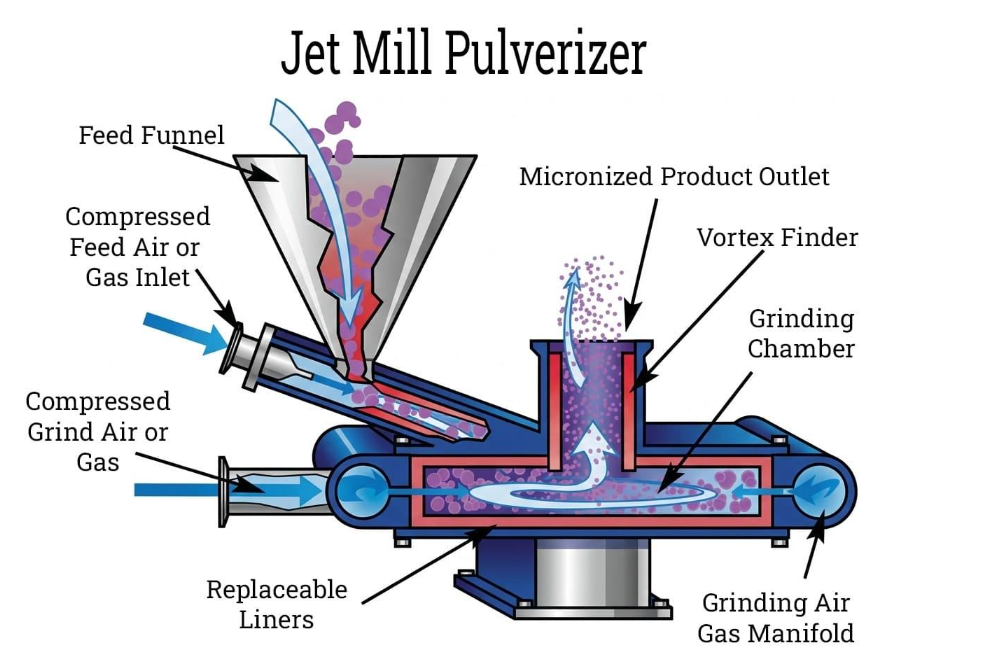
Jet Mill | Ultra-Fine Control | Medium | Heat-Sensitive Drugs |
Roller Mill | Medium Control | Medium | Large-Scale Production |
VI. Factors to Consider When Choosing a Pharma Hammer Mill
When selecting a hammer mill, consider the following:
• Material Compatibility – Can the mill handle heat-sensitive or abrasive materials?
• Particle Size Requirements – Does it produce the required mesh size?
• Capacity & Speed – Does it meet your batch production demands?
• Compliance with Industry Standards – Is it GMP, FDA, and CE certified?
• Ease of Cleaning & Maintenance – Does it support clean-in-place (CIP) technology?
VII. Applications of Pharma Hammer Mills
Hammer mills are widely used in pharmaceutical industries for:
• API Milling – Reducing active pharmaceutical ingredients (APIs) to uniform particle sizes.
• Herbal & Botanical Grinding – Processing natural medicinal herbs into fine powders.
• Tablet Formulation – Ensuring consistency in tablet compression and drug stability.
• Wet & Dry Granulation – Preparing granules for controlled drug release.
VIII. Pharma Hammer Mill Maintenance & Best Practices
A. Regular Cleaning & Inspection
• Remove residual powder to prevent cross-contamination.
• Inspect hammers and screens for wear and tear.
B. Lubrication & Calibration
• Lubricate moving parts to prevent overheating.
• Calibrate the mesh screens for consistent particle size.
C. Compliance with Industry Regulations
• Follow GMP, FDA, and WHO guidelines for pharmaceutical production.
• Use stainless steel (SS316 or SS304) construction to prevent contamination.
IX. Future Trends in Pharma Milling Technology
• AI-Powered Milling – Smart hammer mills using AI-based automation for precision control.
• Nano-Milling Innovations – Developing sub-micron milling technology for advanced drug formulations.
• Sustainable Milling Practices – Using energy-efficient and eco-friendly designs.
Final Thoughts
A pharma hammer mill is an indispensable tool for pharmaceutical manufacturing, ensuring precise particle size reduction, improved drug efficacy, and streamlined production.
• Looking for the best hammer mill for your pharmaceutical needs?
• Need help with milling efficiency, GMP compliance, or equipment selection?
• Contact us today for expert guidance on choosing the perfect pharma hammer mill for your facility!