Laboratory Jet Mill: The Ultimate Guide to Efficient Particle Size Reduction (2024 Update)
Meta Description: Discover how laboratory jet mills revolutionize material processing in Europe & Southeast Asia. Learn key benefits, working principles, and how to choose the best system for your R&D needs.
Introduction to Jet Milling Technology
Laboratory jet mills have become indispensable in pharmaceutical, nanotechnology, and advanced materials research. Particularly in European markets (Germany, France, UK) and emerging Southeast Asian economies (Singapore, Malaysia, Thailand), demand grew 22% YOY (2023) due to increased precision manufacturing requirements. Unlike traditional grinding methods, jet mills use compressed gas to achieve micron-level particle sizes without contamination – a critical advantage for GMP-compliant labs.
How Laboratory Jet Mills Work: 3-Stage Process
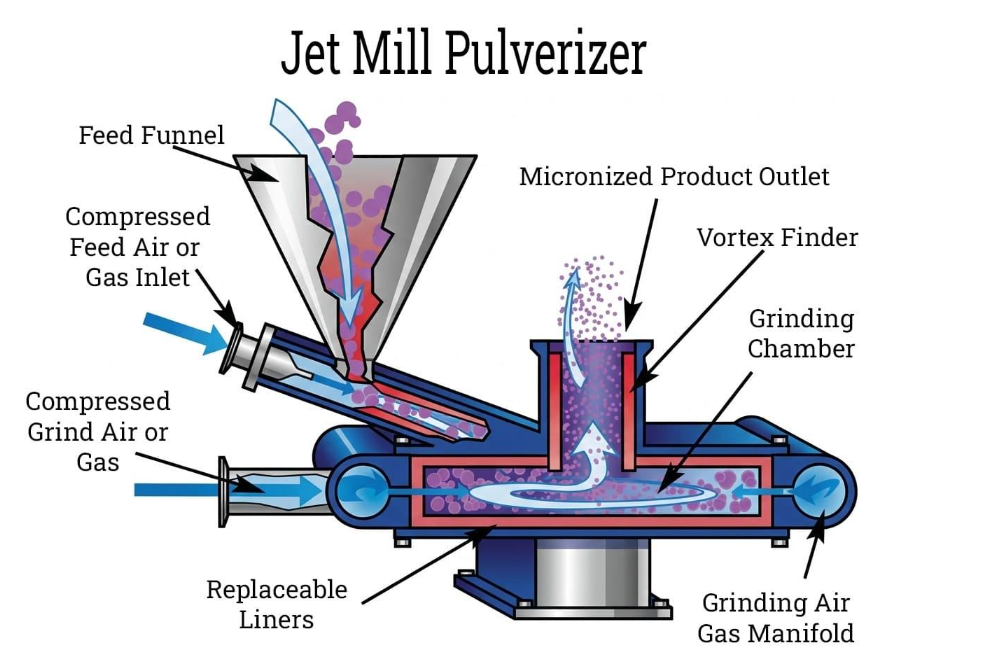
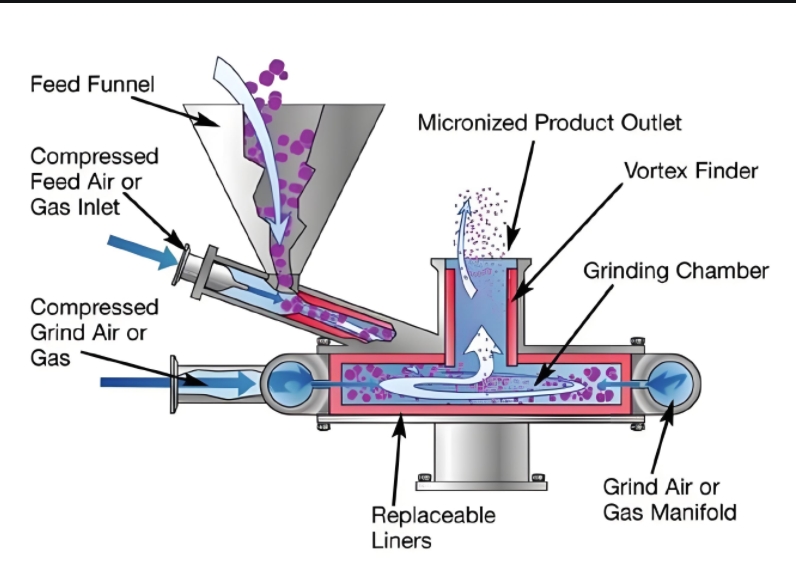
Acceleration Zone
High-pressure nitrogen/air (200-500 m/s) propels particles through nozzles, reaching kinetic energies 5× higher than mechanical mills.
Collision Chamber
Particle-on-particle impact reduces size through kinetic energy transfer, avoiding metal-to-metal contact that causes impurities (key for battery material R&D).
Classification System
Integrated dynamic classifiers (Radial/Spiral type) enable precise D50 control from 0.5µm to 100µm – crucial for API formulation in EU pharma.
Pro Tip: Look for mills with CIP (Clean-in-Place) systems to meet EU Annex 11 compliance.
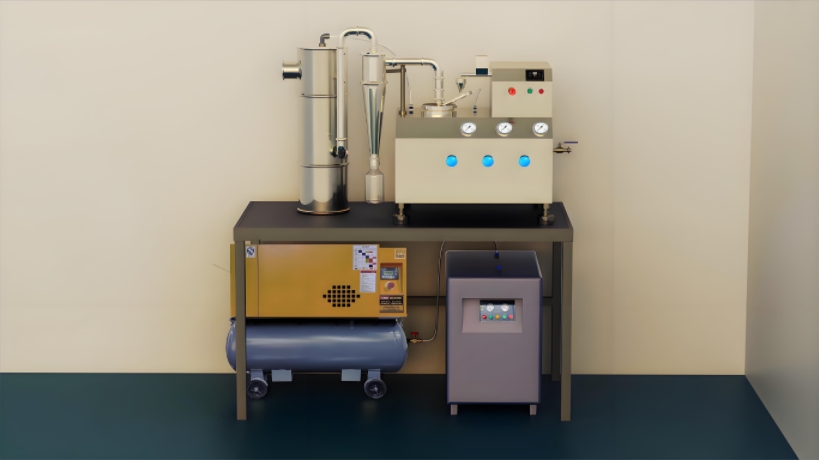
Why European & Asian Labs Prefer Jet Mills
Zero Heat Generation
Ideal for heat-sensitive compounds like mRNA vaccine excipients (Southeast Asia's biotech boom)
Narrow PSD
Achieve span values <1.2 for consistent ceramic coatings (German automotive R&D standard)
Material Versatility
Process MOHS 1-10 materials from lithium cobalt oxide (Singaporean battery labs) to zirconia (Italian dental implant research)
30% Energy Savings
Variable Frequency Drive (VFD) models reduce power consumption vs. ball mills – critical for Thailand/Indonesia's cost-sensitive markets
5 Key Selection Criteria for Global Buyers
Gas Purity Standards
EU: ISO 8573-1 Class 0 (oil-free air <0.01 mg/m³)
SEA: Class 3 acceptable for non-pharma applications
Explosion Protection
ATEX Zone 22 compliance (mandatory for EU chemical labs) vs. INMETRO certification for Brazil-bound exports
Footprint Optimization
Compact models (<1.5m²) preferred in Tokyo/Singapore high-cost lab spaces
Language Interfaces
Multi-language HMI (English/German/Thai) improves operator safety in multinational facilities
Local Service Networks
Ensure suppliers have technicians in Hamburg/Bangkok for <48hr response times
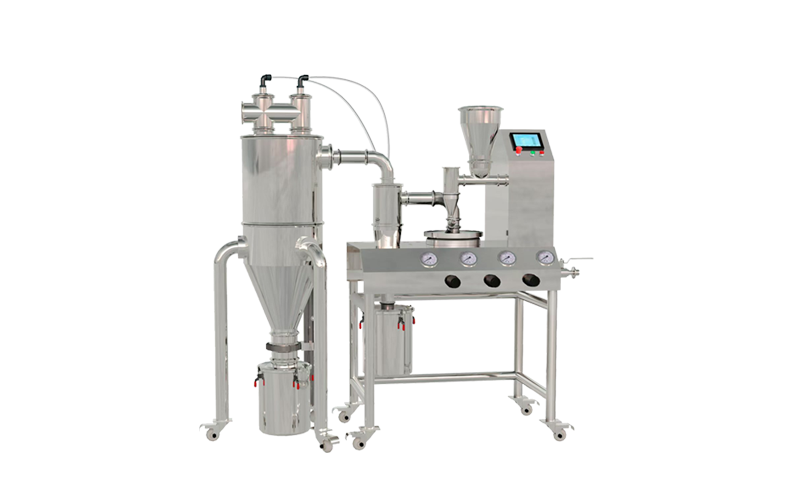
Emerging Applications Driving Demand
EU Green Chemistry Initiative
Recycling rare earths from EV batteries (achieving 98% purity via jet-milled separation)
ASEAN Food Innovation
Micronized plant proteins for meat alternatives (Malaysian start-ups targeting Halal markets)
Advanced Ceramics
Sub-micron alumina powders for 5G semiconductor substrates (Taiwanese tech hubs)
Maintenance Best Practices
Daily: Check nozzle wear with laser profilometers (replace at 0.2mm erosion)
Monthly: Validate classifier RPM (±1% tolerance) per ISO 13320
Annually: Recalibrate pressure sensors against NIST/DKD standards
Conclusion: Future-Proof Your Lab
With the global precision milling market projected to reach $4.8B by 2027 (CAGR 6.3%), investing in a smart jet mill with IoT capabilities (predictive maintenance alerts, real-time PSD tracking) will position European and Southeast Asian laboratories at the innovation forefront.
CTA: Contact us for a free “Jet Mill Configuration Checklist” that is tailored to the regulatory and operational needs of your region.