ball mill vs jet mill the best choice for dibasic calcium phosphate pulverization
In the field of dibasic calcium phosphate processing, the selection of crushing equipment directly affects product quality, production efficiency and cost control. Ball mill and jet mill as two mainstream crushing technology, with its unique advantages to become the industry's first choice. This paper combines the latest technological advances and industry data, in-depth discussion of the two in the dibasic calcium phosphate crushing value, to provide scientific decision-making basis for production enterprises.
I, The core needs and challenges of dibasic calcium phosphate crushing
Calcium hydrogen phosphate (Ca₃(PO₄)₂) is an important raw material for feed, medicine, ceramics and other fields, and its processing needs to meet the following requirements:
Particle size uniformity: feed grade dibasic calcium phosphate needs to pass the 40-200 mesh sieve, while pharmaceutical grade requires ultra-fine pulverization (D50 ≤ 10μm) .
Low contamination: avoiding the introduction of metal impurities and ensuring that the end product meets heavy metal detection standards .
Energy efficiency ratio: Reduce energy consumption and maintenance costs per unit of production .
Traditional equipment such as hammer mills, although low cost, but easy to lead to uneven particle size and pollution problems . And ball mill and jet mill become more optimal solution through technological innovation.
II, The ball mill: the representative of high capacity and stability
Technical Advantages
Closed crushing: the fully enclosed structure of the ball mill can effectively avoid the spillage of dust, especially suitable for handling the raw materials of dibasic calcium phosphate which are easy to absorb moisture or corrosive.
Wide adaptability: By adjusting the grinding media (such as ceramic corundum balls) and rotating speed (75%-88% of the critical speed), it can produce 1-3mm coarse powder to 100 mesh fine powder.
Maintenance upgrade: the new ball mill adopts direct-drive design, abandoning the traditional belt drive, reducing dust contamination and slippage problems, and reducing maintenance costs by 30%.
Application Scenario
Primary pulverization of feed grade dibasic calcium phosphate;
Scale production of medium and low value-added products.
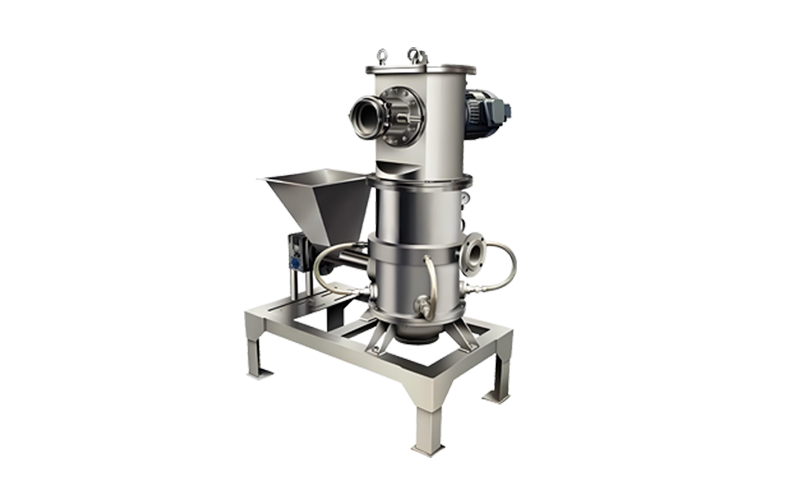
III, The jet mill: ultra-fine pulverization and high purity benchmarks
Technical Advantages
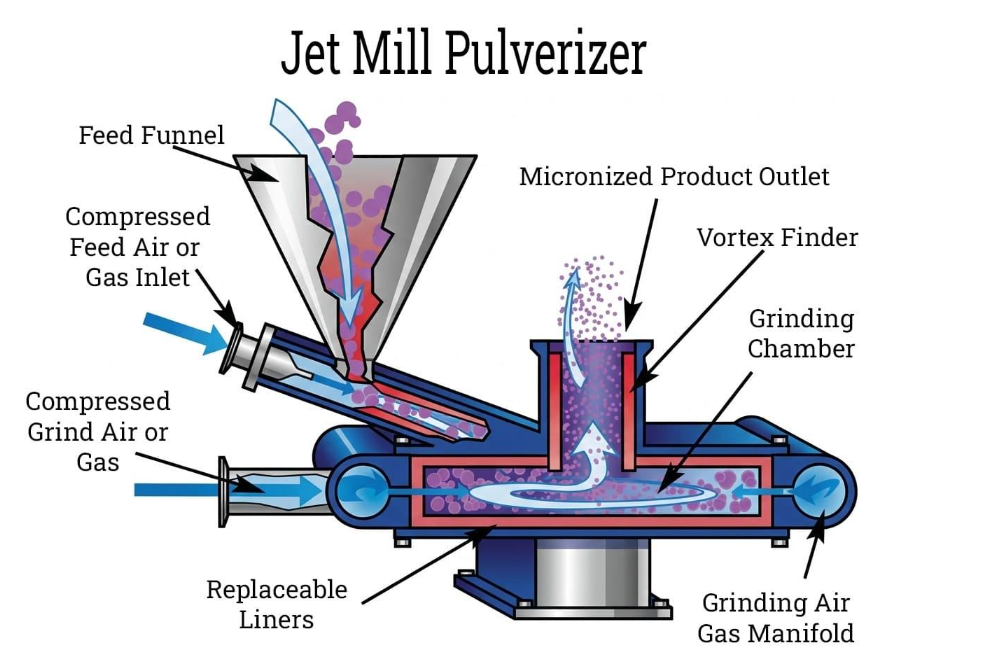
Nanoscale pulverization: through high-speed airflow collision to achieve particle depolymerization, easy to obtain D90 <5μm ultrafine powder, to meet the demand for pharmaceutical-grade dibasic calcium phosphate.
Zero metal contamination: no mechanical contact grinding, avoiding the mixing of iron ions and other impurities, especially suitable for the preparation of high-purity dibasic calcium phosphate.
Compatibility with heat-sensitive materials: low-temperature pulverization can preserve the chemical activity of dibasic calcium phosphate and prevent denaturation at high temperatures[1].
Application Scenarios
Pharmaceutical slow-release agents, high-end ceramic glaze of the ultra-fine powder processing;
Production of export grade high value-added products.
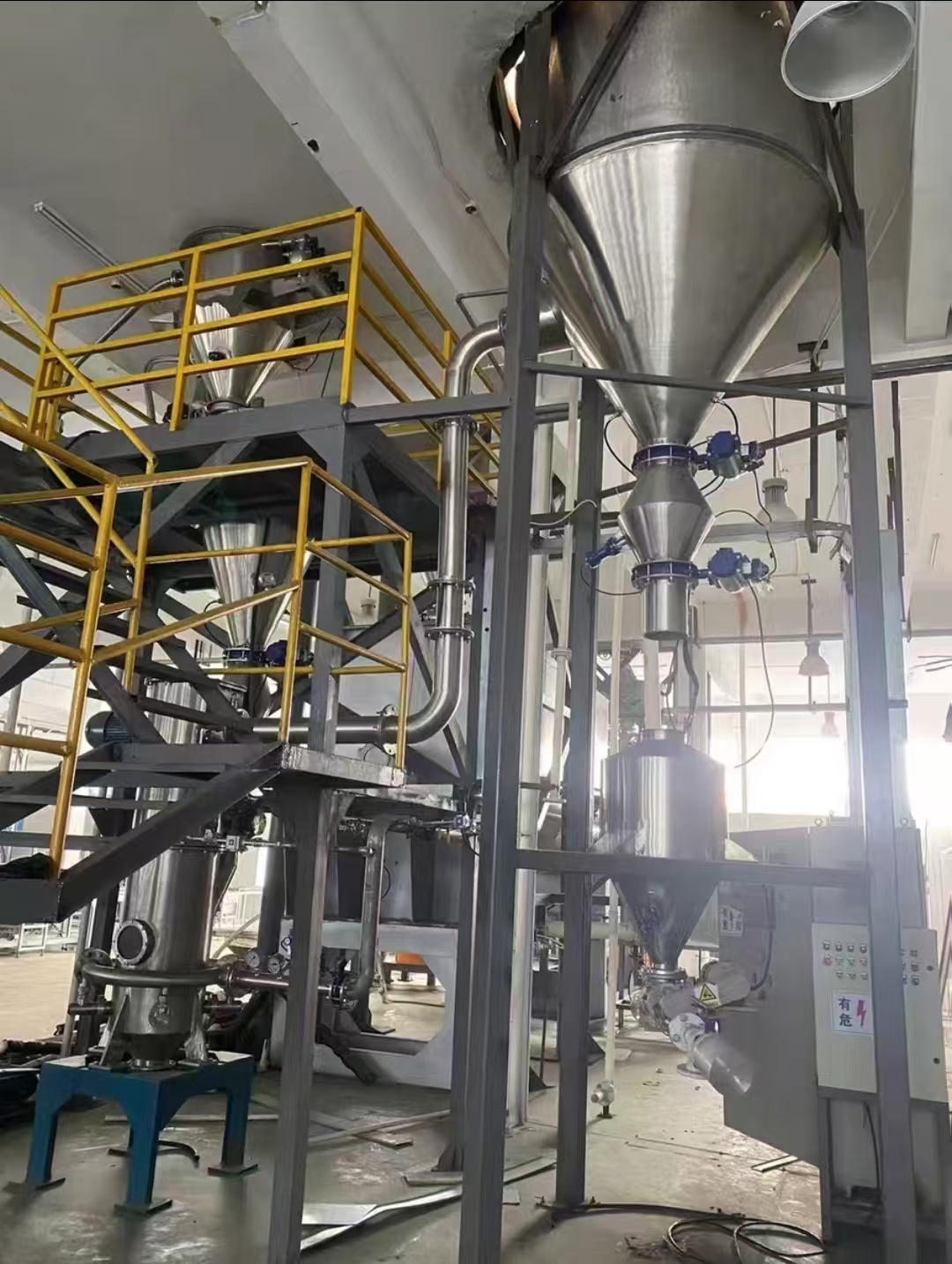
IV. Comprehensive Selection Guide: Key Parameters for Matching Requirements
Particle size requirements:
Coarse powder (>100 mesh): preferred ball mill, single machine capacity up to 5-10 tons / hour;
Ultra-fine powder (<300 mesh): jet mill efficiency increased by more than 50% [1] [6].
Cost control:
The average price of ball mill equipment is 1/3-1/2 of that of jet mill (refer to Alibaba 2025 offer);
Airflow mill has higher energy consumption, but large product premium space.
Environmental protection and compliance:
Both comply with ISO dust emission standards, but the jet mill is more suitable for GMP clean room.
V. Conclusion: technology iteration to promote industry upgrading
With the innovation of ball mill direct drive technology and jet mill classification system, dibasic calcium phosphate crushing process is moving towards the direction of high efficiency and refinement. Enterprises need to be based on product positioning, capacity requirements and compliance standards, a reasonable combination of the two types of equipment, such as “ball mill coarse crushing + jet mill finishing” combined mode, can achieve the optimal balance of cost and quality.