Air Jet Mill Price: influencing factors and shopping guide
I, Air jet mill price influencing factors
Model and function
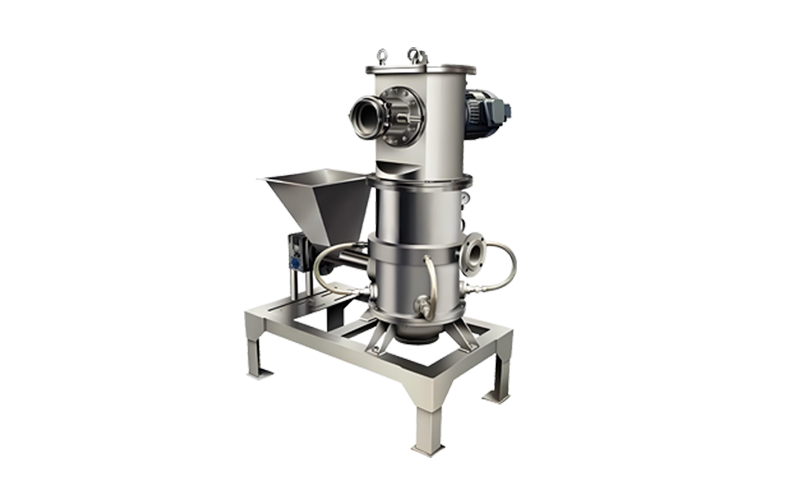
Air jet mill prices vary significantly, from US$13,000 to US$70,000, the core reason is that the equipment model and function to suit different needs. For example:
Basic models (such as WFJ series): for the chemical industry, food industry, the price of about US$13,000-US$28,000, capacity of 10-200kg / h, particle size 80-320 mesh.
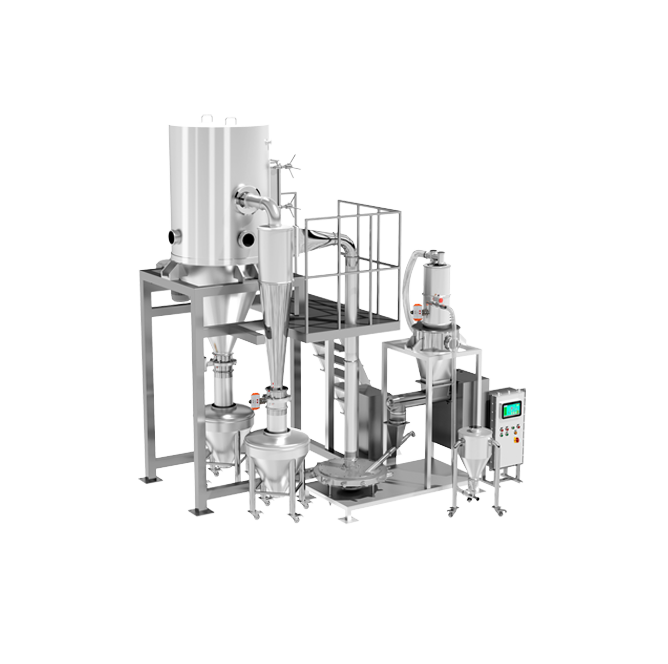
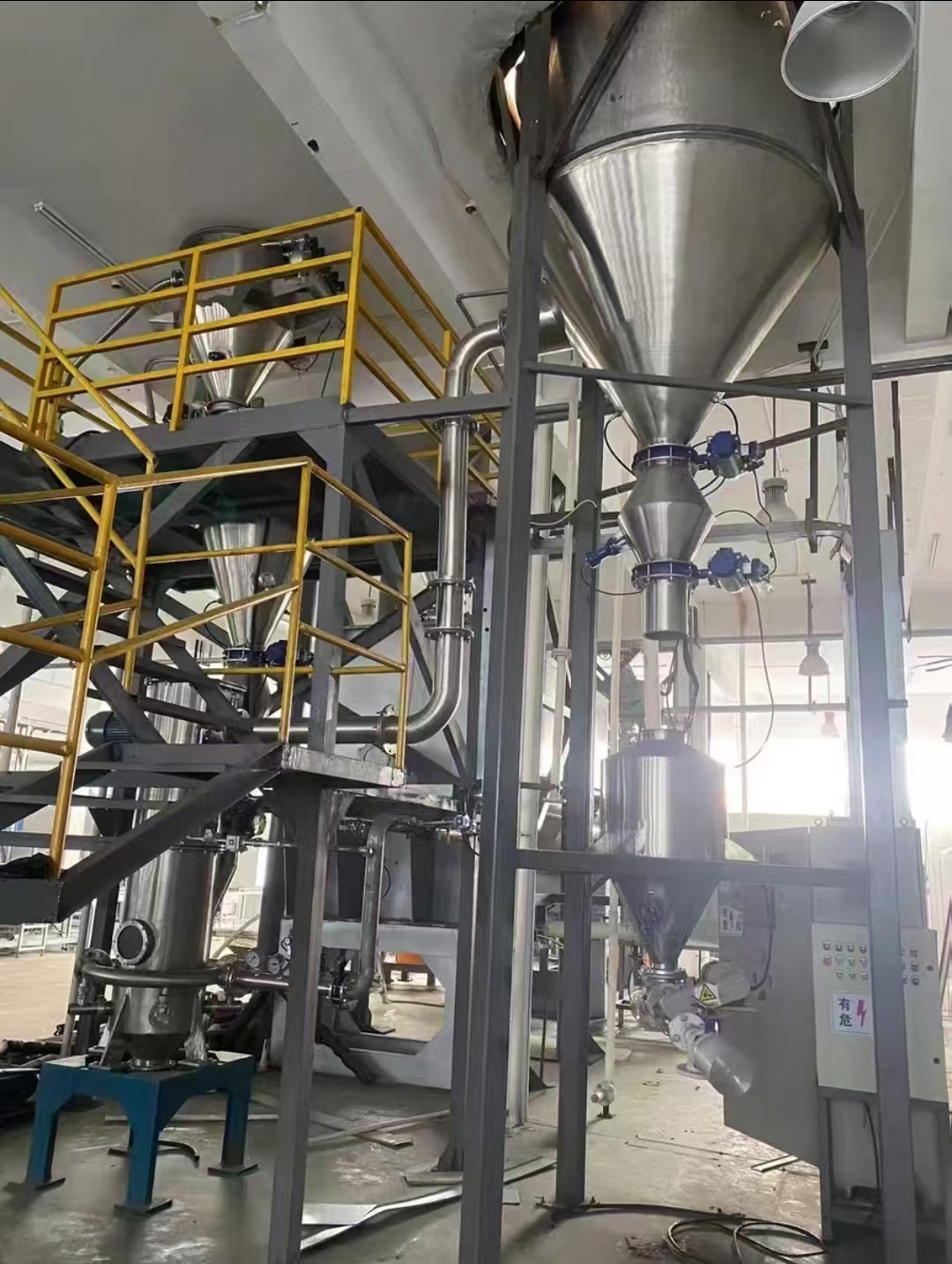
High-end industrial models (such as titanium dioxide steam double-jet model): for high hardness, high purity materials (such as diamond, titanium dioxide), the price of US$28,000-US$110,000, to support the supersonic crushing and steam quality, the fineness of the material can be up to nano-scale.
Materials and Processes
Wear-resistant lining (e.g. tungsten carbide, Al₂O₃) can extend equipment life, but the cost increases by 30%-50%.
Intelligent control (e.g. automatic grading, one-touch start/stop) improves efficiency, but the price goes up by 10%-20%.
Industry Suitability
Pharmaceutical/food grade equipment needs to comply with health standards (such as 316L stainless steel), the price is 25%-40% higher than conventional models.
Specialized models for high-purity materials (such as monocrystalline silicon crusher) due to anti-pollution design, the unit price of more than US$28,000.
II, Core Selection Recommendations
Clear needs
Material Characteristics: Hard and brittle materials (such as diamond) to choose the air jet mill; heat-sensitive materials (such as traditional Chinese medicine) need to be low-temperature pulverization design.
Capacity and particle size: small laboratory equipment (such as AS100) processing capacity of 100-1000g / batch, fineness up to D97 = 3-40μm; industrial models up to 500kg / h capacity.
Focus on energy efficiency and environmental protection
Energy-saving models (e.g. fluidized bed + vertical classification design) reduce energy consumption by 30%-50%, resulting in lower long-term costs.
Dust-free design and negative pressure operation meet the requirements of environmental protection to avoid secondary pollution.
Brand and after-sales service
We provide customized solutions and technical support, better equipment stability.
III, Mainstream application scenarios and model recommendations
Industries
| Typical Materials
| Models
| Price range |
Pharmaceutical/Food
| API pollen, antibiotics, additives
| AS spiral air flow mill
| US$14,000-US$50,000
|
Chemical/Mining
| Inorganic raw materials, silicon carbide, quartz, ceramics
| LHC Classified air bed jet mill | US$28,000-US$60,000
|
New energy materials
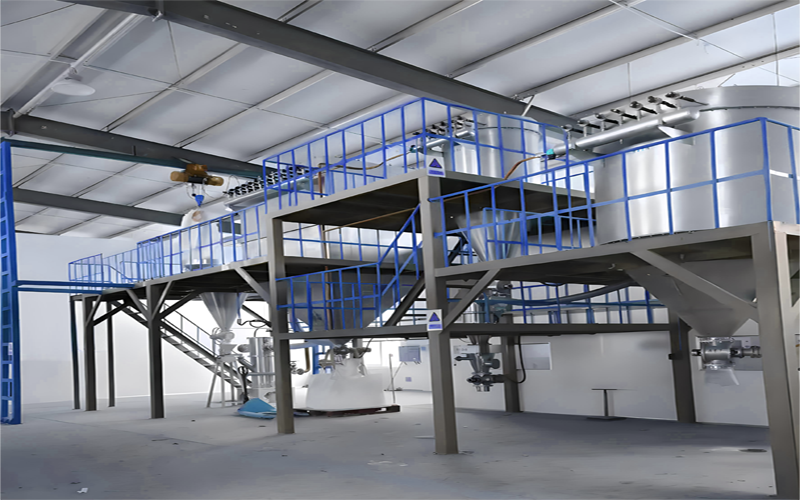
| Monocrystalline silicon, battery materials | LHC Classified Jet Mill | US$34,000-US$70,000 |
IV.Future trends and technological innovations
Intelligent upgrading: AI control realizes real-time adjustment of particle size, increasing precision by 50%.
Green process: steam mass instead of compressed air, reducing energy consumption by 60% -70%, suitable for titanium dioxide and other high value-added areas.
Conclusion: The price of air jet mill is affected by many factors, such as function, material, industry suitability and so on. Enterprises need to combine the material characteristics, capacity requirements and long-term cost, choose cost-effective models, and through customized solutions to optimize production efficiency.