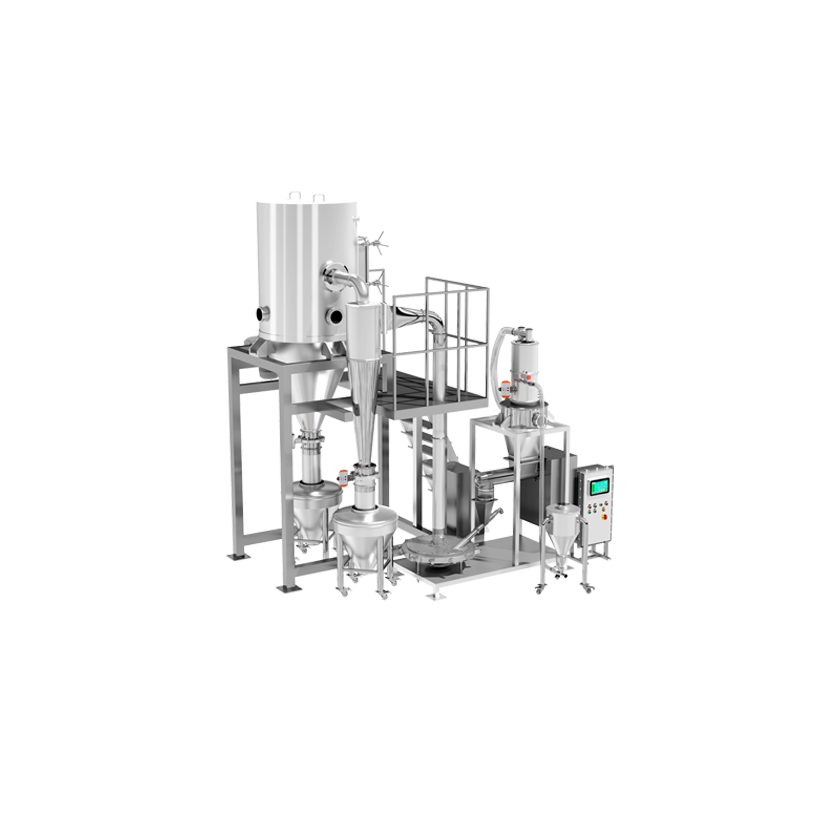
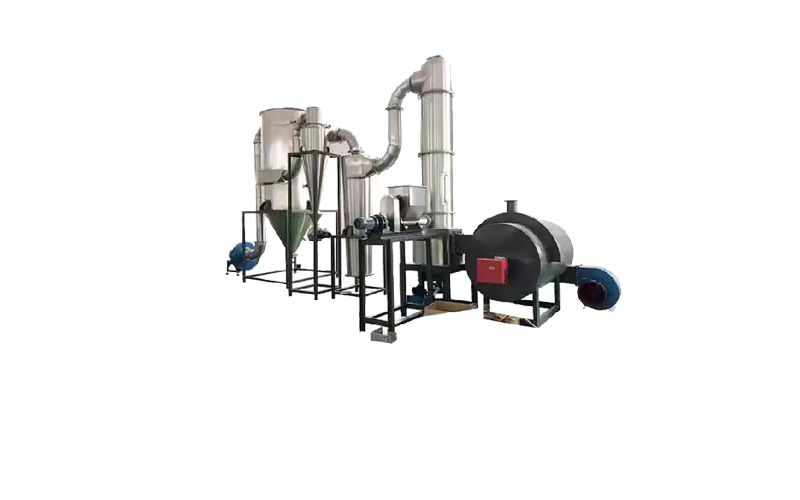
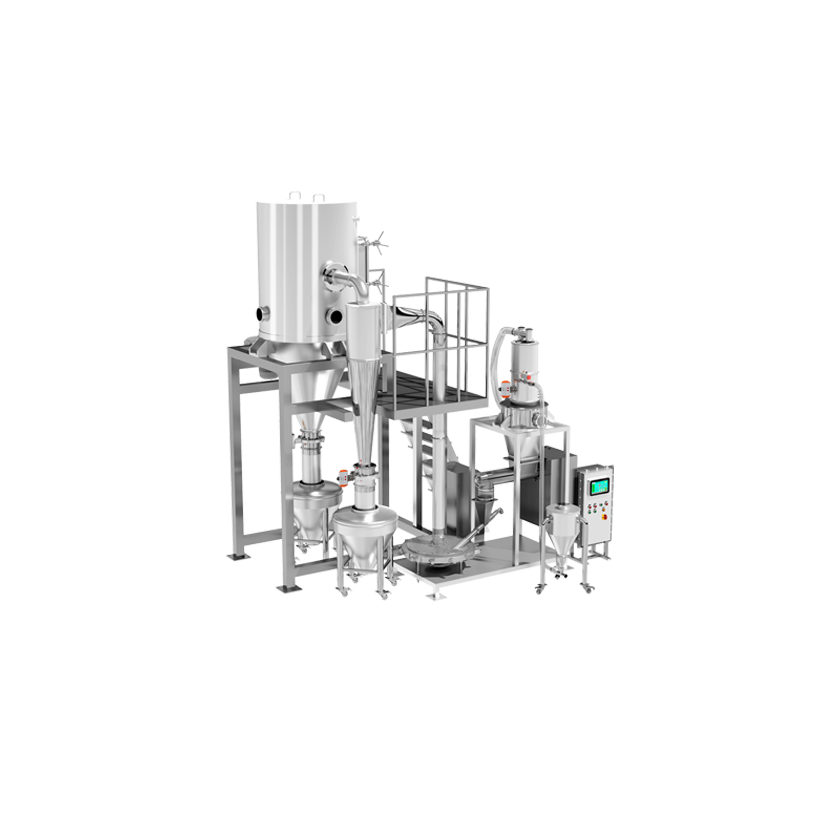
Jet Mill for Silicon Dioxide: A Complete Guide to Ultra-Fine Micronization
What is Silicon Dioxide Micronization
Silicon dioxide (SiO₂), commonly known as silica, is widely used in industries such as pharmaceuticals, electronics, coatings, and advanced materials. In many applications, achieving ultra-fine particle size (1–10 microns or below) is critical for improving product performance.
Micronization is the process of reducing particle size to the micron or submicron level. For silica, this requires a method that:
Avoids contamination
Maintains purity
Ensures narrow particle size distribution
This is where jet milling becomes essential.
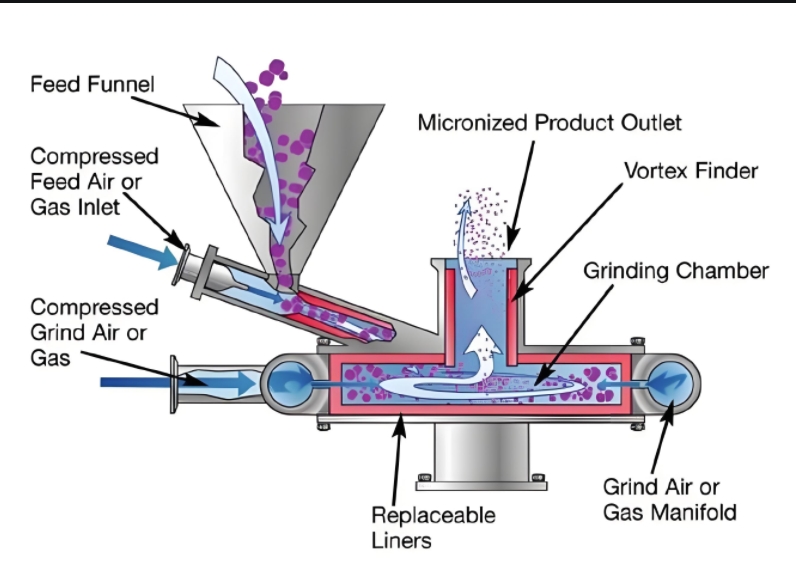
How a Jet Mill Works for Silica
A Jet Mill uses high-pressure compressed air or gas to accelerate particles into a grinding chamber. The particles collide with each other at high speed, resulting in size reduction.
Key working principles:
No mechanical grinding parts → no metal contamination
Particle-to-particle collision → high purity
Built-in classifier → precise particle size control
For silicon dioxide, this method is especially suitable because:
Silica is brittle and easy to fracture
High purity is often required (e.g., electronics, pharma)
Key Advantages of Jet Mill for Silicon Dioxide
1. High Purity Processing
No contact with metal components ensures contamination-free grinding, which is critical for high-end silica applications.
2. Ultra-Fine Particle Size
Capable of achieving:
D50: 1–5 microns
Even submicron levels with optimization
3. Narrow Particle Size Distribution
Integrated classifiers allow precise control over final product size.
4. Suitable for Heat-Sensitive Materials
The expansion of compressed air reduces temperature during grinding.
5. Scalable for Different Capacities
From lab-scale to industrial production.
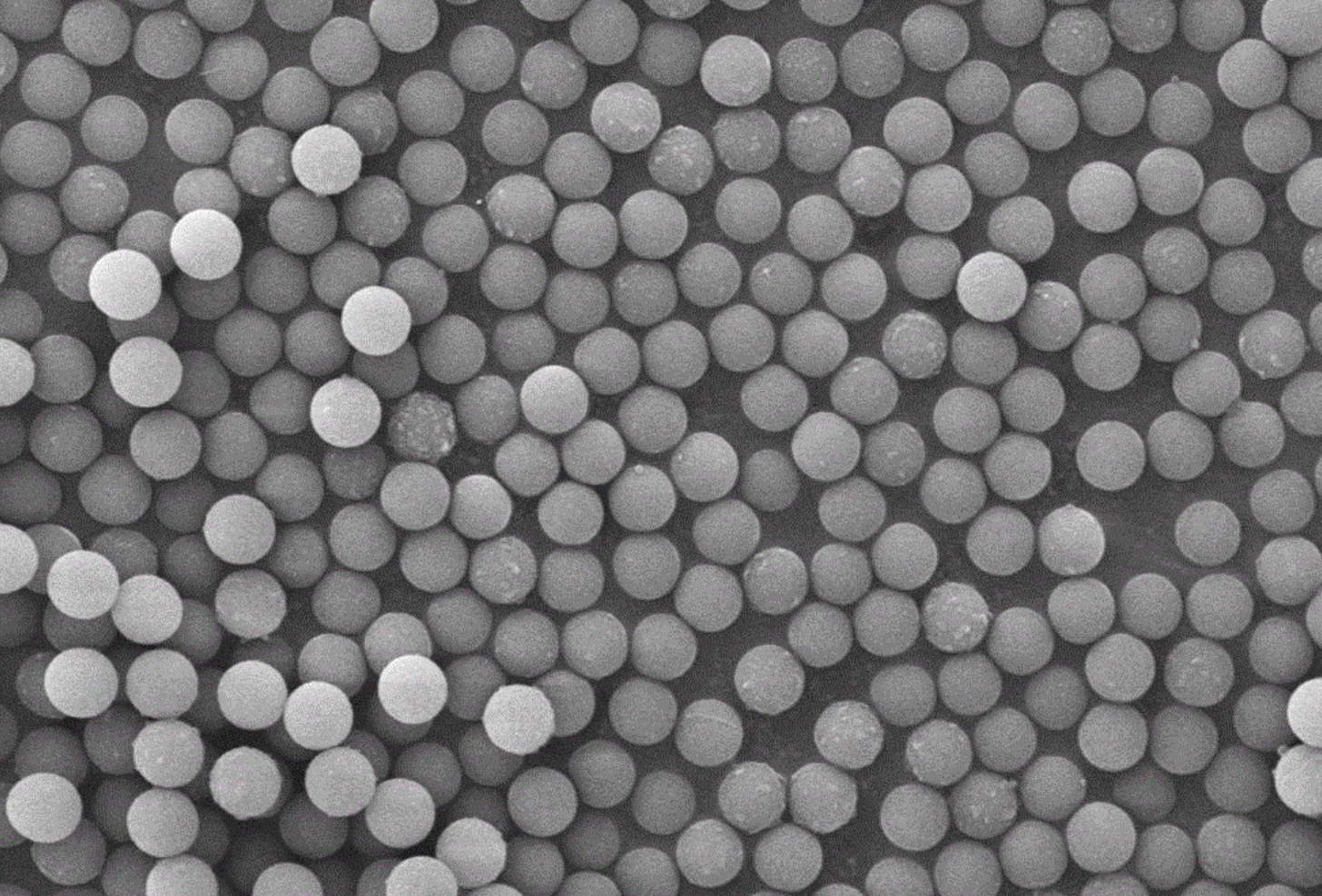
Technical Parameters for Silica Jet Milling
Typical operating ranges:
Feed size: <1 mm
Final particle size: 1–10 μm (adjustable)
Air pressure: 0.6–0.8 MPa
Capacity: depends on model (lab to industrial scale)
How to Choose the Right Jet Mill Model
Selecting the correct jet mill depends on your production scale and fineness requirements.
AS50 (Lab / R&D)
Ideal for small batch testing
Low material consumption
Suitable for formulation development
AS100 (Pilot / Small Production)
Balanced performance and capacity
Most commonly used for silica
Suitable for commercial validation
AS200 (Industrial Scale)
High throughput
Designed for continuous production
Suitable for large-scale silica processing
We also offer other large-scale models: AS300, AS350, AS400, AS450, and AS650
Application Scenarios for Silicon Dioxide
Jet mills are widely used in:
Electronics industry (high-purity silica)
Pharmaceutical excipients
Battery materials
Coatings and fillers
Advanced ceramics
FAQ
Question 1: Which jet mill is best suited for the R&D phase of silica production?
For most experimental silica applications, the AS100 offers the best balance between particle size control and production capacity.
Q2: Can a jet mill achieve submicron silica powder?
Yes. With optimized parameters and classification, jet mills can achieve submicron particle sizes.
Q3: Will jet milling contaminate silica?
No. Since there are no mechanical grinding parts, contamination risk is extremely low.
Q4: What affects silica micronization efficiency?
Air pressure
Classifier speed
Feed rate
Material hardness
Q5: Is jet mill suitable for high-purity silica?
Yes, it is one of the best methods for high-purity applications due to its contamination-free process.
Conclusion
Jet milling is one of the most effective solutions for silicon dioxide micronization, especially when high purity and ultra-fine particle size are required.
With flexible configurations from lab to industrial scale, choosing the right model ensures optimal performance and cost efficiency.